Search 


World Vision International Employment

Worthy of your trust
Child sponsorship


World Vision is committed to improving the health and nutrition of women and children in the areas in which it works, contributing to the global reduction of under-five and maternal mortality.
Contact us
Email the health and nutrition team at health@wvi.org


World Vision's health strategy concentrates on:

1. Public health approaches which focus on prevention and promote the well-being of mothers and children through community-based support for better health and nutrition.
  • Utilising an Inter-Generational Life Cycle Approach - addressing the health of a child by addressing the health of his or her whole family
  • Addressing malnutrition
  • Preventing common maternal and childhood infectious diseases
2. World Vision calls for partners and government ministries to establish quality primary care services in communities and supports them as they take the lead in providing front-line health care.

Read more...

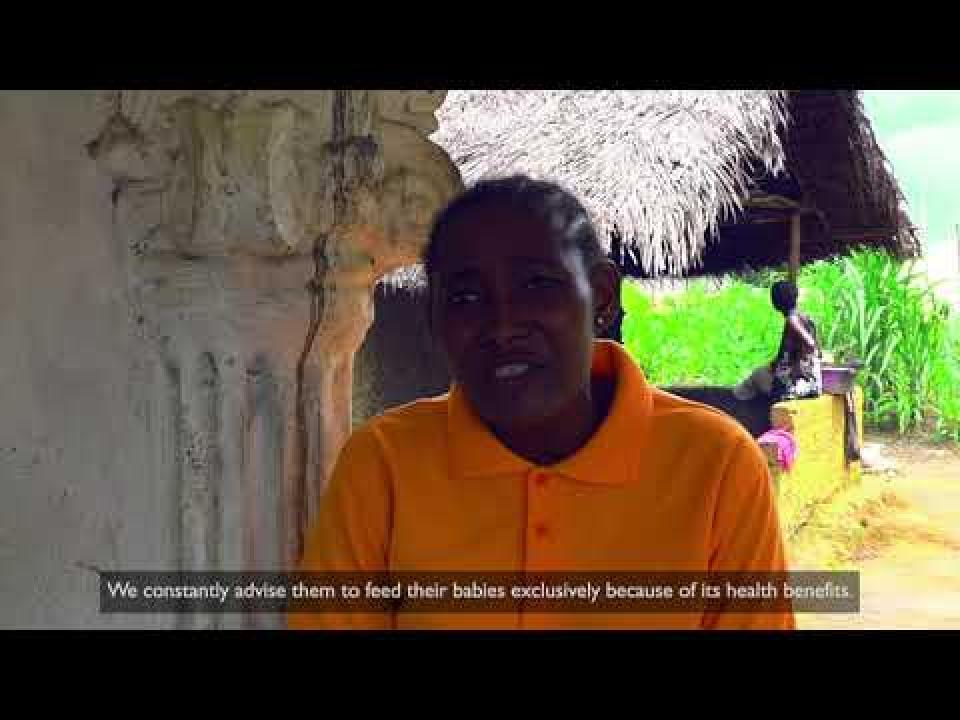
World Vision's health strategy: Click below to watch

Child Health Now is World Vision’s first global advocacy campaign focused on a single issue: reducing the preventable deaths of children under five. Find out more and sign the petition at www.childhealthnow.org.


Click to view the document...Brochure: World Vision's global health, nutrition, and HIV & AIDS programming
June, 2010
This brochure gives an overview of key elements of our work to improve nutrition, prevent disease and increase access to essential health services--especially for mothers and children. PDF: 1.71 Mb

Click to open the document...Overview: Maternal and child health
June, 2010
World Vision's Maternal and Child Health programming, which focuses at the home and community level to promote positive health and nutrition practices and prevent major causes of disease. PDF: 125 Kb

Click to open the document...Overview: Infectious disease
June, 2010
Globally, 25,000 children die every day from six preventable causes--pneumonia, diarrhoea, measles, malaria, HIV and neonatal causes. Learn more about the impact of preventable disease and the work World Vision is doing to help prevent them. PDF: 111 Kb

Click to open the document...Overview: Nutrition
June, 2010
It is estimated that undernutrition is an underlying cause of 35 per cent of under-five deaths. Learn more about World Vision's work in communities to improve the nutritional status of children by focusing on pregnant women and children under age two. PDF: 188 Kb

Click to open the document...Overview: HIV and AIDS
June, 2010
The AIDS pandemic has a deeply negative impact on individuals, communities and long-term development. World Vision works worldwide to reduce the impact of the disease through prevention, care and advocacy. PDF: 116 Kb

Click to open the document...Introducing World Vision's Nutrition Centre of Expertise
May, 2010
The World Vision Nutrition Centre of Expertise is a new structure to lead organisational efforts in achieving the highest quality in nutrition programming. PDF: 1.26 Mb

Click to open the document...Global nutrition framework
May, 2010
World Vision's global nutrition framework, contained in this table, guides the nutrition programming and interventions that World Vision undertakes in partnership with the people and communities it serves. PDF: 70 Kb

Click to open the document...Sustaining community response to tuberculosis care
April, 2010
In response to the tuberculosis problem in the Philippines, World Vision launched the Social Mobilisation on TB project in 2003. The project, funded by the Global Fund to Fight AIDS, TB and Malaria, mobilises communities by organising volunteer task forces. PDF: 241 Kb

Click to open the document...World Vision Global Health & Nutrition: 2009 Annual Report
March, 2010
The Global Health and Nutrition team continued to prioritise and improve the health and nutrition needs of mothers and young children in fiscal year 2009 through the implementation of its global strategy. PDF: 254 Kb

Click to open the PDF...World Vision: Focus on health
January, 2010
World Vision supports global implementation of child-focused, community-based initiatives with government ministries and local and international agencies. World Vision designs all programming from a community, partnership, multi-sectoral, and integrated perspective. PDF: 722 Kb

Click to view the reportYour money or your life
Will leaders act now to save lives and make health care free in poor countries?
September, 2009
User fees for health care are a life or death issue for millions of people in poor countries. Too poor to pay, women and children are paying with their lives. World Vision contributed to this report. PDF: 879 Kb

Global Future magazineGlobal Future: Child health - Generating the will
Number 2, 2009
Twenty-five-thousand children are dying each day – yet we have the means to prevent two thirds of these deaths through proven and affordable interventions. As an international community, we are guilty of failing to end this travesty. PDF: 2.13 Mb

View the slideshow...What can world leaders do about 9.2 million children under five dying every year? Slideshow | Print version
July, 2009
World Vision has a series of recommendations to leaders of both donor countries and developing countries to reduce child mortality. PDF: 1.72 Mb

Click to view the reportMaternal health brief
May, 2009
Every year more than half a million women suffer and die as a result of pregnancy and birth complications. Ten to 20 million who do survive a difficult birth go on to suffer debilitating injuries and illnesses. Most maternal deaths occur in the developing world. PDF: 475 Kb

Global health and nutrition start-up strategy
May, 2009
World Vision is committed to improving the health and nutrition of women and children in the areas in which we work, contributing to the global reduction of under-five and maternal mortality. PDF: 105 Kb

Quick Guide: Global health and nutrition strategy
May, 2009
The global health and nutrition strategy is a strategic framework meant to refocus World Vision’s health programming. It emphasises World Vision’s areas of comparative advantage while aligning with global, evidence-based best practices. PDF: 100 Kb

Quick Guide: Emergency health and nutrition
May, 2009
The Emergency Health and Nutrition Strategy is a strategic approach to improving and protecting the health and nutrition of women and children during humanitarian responses. PDF: 105 Kb

World Vision Global Health & Nutrition: 2008 Annual Report
March, 2009
The Global Health and Nutrition team accomplished a number of significant goals in 2008 to make a difference in the health and well-being of children, families and communities. This first Annual Report provides an overview of the start-up work, including goals, strategy, programme strengthening, capacity building and hiring of staff. PDF: 813 Kb.

Who’s counting? 9.2 million children – the cost of inaction on child health
January, 2009
A large and growing body of research and on-the-ground experience indicates that comprehensive provision of appropriate health services at the community and district levels will make a very big difference to the lives of poor children and their mothers.

The link between malaria and HIV and AIDS: English | French
December, 2008
Malaria and HIV and AIDS are two of the most devastating global health problems of our time, causing approximately 3 million deaths per year combined. In areas where both diseases are present, the viscious cycle of poverty is often exacerbated. PDF: 1.47 Mb. English | French

Last chance for the world to live up to its promises?
Why decisive action is needed now on child health and the MDGs
September, 2008
With just seven years left, the world is dismally off-track on reaching the Millennium Development Goals of tackling hunger, poor health, death and illiteracy among the hundreds of millions of children and adults who live in poverty. PDF: 515 Kb.

Global Future: Improving sanitation for the world's poor
Number 1, 2008
Talking about sanitation is not "nice". It's a matter of life and death. Poor hygiene leads directly to diseases such as cholera and diarrhea – which in turn kill five million people a year, mostly children. Read World Vision's and others' perspectives in Global Future magazine. PDF: 1.95 Mb.

Global Future: Children's health in crisis
Number 1, 2007
The success of the first child survival revolution, in the 1980s, is saving some six million lives each year. But communities are still suffering from unacceptable conditions that lead to disease and death. Read World Vision's and others' perspectives in Global Future magazine. PDF: 3.70 Mb

Sector Themes: Integration | Maternal and Child Health | Nutrition
May, 2008
The sector themes are a snapshot into the way the World Vision health and nutrition teams work to serve communities.
Integration - PDF: 297 Kb | Maternal and Child Health - PDF: 296 Kb
Nutrition - PDF: 297 Kb

Case study: The right messages—to the right people—at the right time
September, 2008
A World Vision child survival project strove to change behaviors related to women’s and children’s health. With USAID resources, World Vision expanded its audience for family planning to include most couples. A USAID case study. PDF: 684 Kb