A world with education for all
We are making progress. But there’s more to be done. All children have the right to a safe, inclusive and quality education. We want all children to be educated for life, in a safe and nurturing environment, in order to lead productive and fulfilling lives.
Our unique, community-led, whole child model, refined and expanded over our 70-year history, helps establish sustainable child wellbeing solutions. Our education programme focuses on improving the access to and quality of learning opportunities for all children from birth, through childhood and adolescence.
We measure our success by the positive improvements in children’s learning outcomes in cognitive, social and emotional, life and livelihood skills. Our digital survey tool, MEQA, enables on the ground, real time implementation assessment and coaching; and provides detailed, accessible data for project management decisions.
We work hard to reach the most vulnerable children such as those in extreme poverty, with disabilities, out-of-school children, and affected by crises. Our approach fits and adapts continuously to diverse and rapidly changing contexts across the development, humanitarian and peace nexus.
We work with local partners to drive the social behaviour change required to address obstacles to children’s developmental and learning journey. In coalition with others we strengthen education systems at household, community, national and global levels.
LEARN MORE
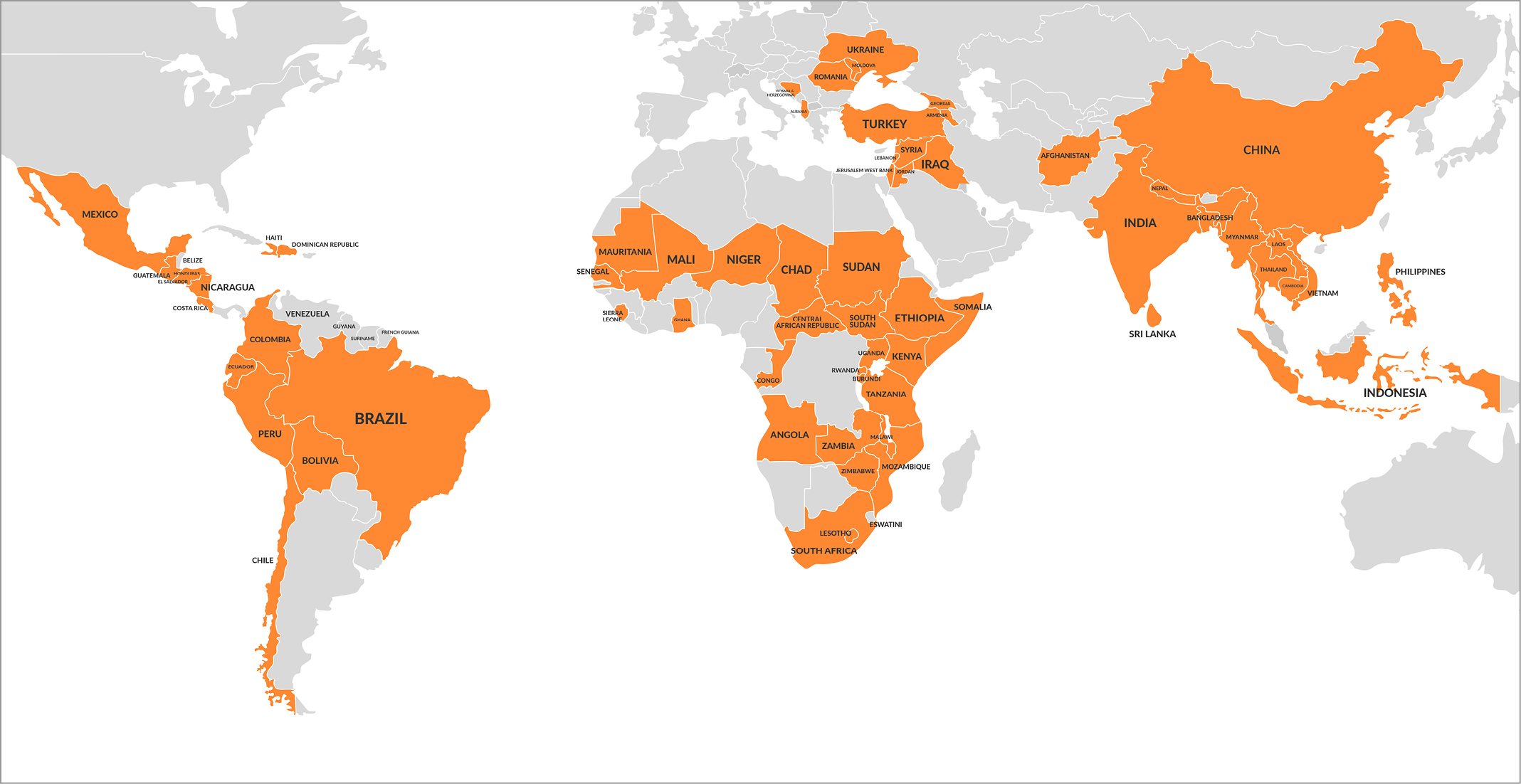
Our education programmes around the world