
publication / August 26, 2026
POLICY BRIEF: Debt for What?
This policy brief on public debt utilisation in Kenya and Zambia, examining how borrowed resources translate into development outcomes

publication / August 28, 2026
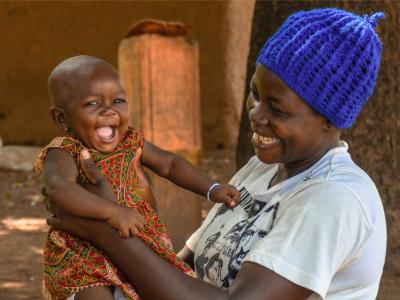
CORE Group Partners Project (CGPP) An Integrated Community Platform for Maternal & Child Health, Polio Eradication and Global Health Security (GHS)
CORE Group Partners Project (CGPP) An Integrated Community Platform for Maternal & Child Health, Polio Eradication and Global Health Security (GHS)

publication / September 2, 2026
Context and Conflict Analysis: Sustainable and Resilient Future Ninewa Project
Explore World Vision’s Context and Conflict Analysis for Ninewa, Iraq, examining conflict dynamics, livelihoods, climate pressures, inclusion, and opportunities to strengthen resilience and social cohesion.

press release / September 3, 2026
New EU-Funded Project to Restore Safe, Inclusive Education for Over 22,000 Conflict-Affected Children in the West Bank
World Vision, in partnership with the Teacher Creativity Center (TCC) and the Palestinian Ministry of Education, today announced the launch of a new EU-funded two-year project to safeguard access to safe, inclusive and dignified education for the most vulnerable conflict-affected children across the West Bank.

article / August 27, 2026
World Vision Ghana Calls for Enhanced Border Preparedness as Humanitarian Pressures Rise in West Africa
World Vision Ghana is urging stronger border surveillance and humanitarian preparedness as insecurity and climate shocks in Burkina Faso increase displacement pressures across West Africa, threatening vulnerable communities along Ghana's northern frontier.

article / August 26, 2026
Turning floods into opportunities: Smart farming is changing lives
World Vision’s Water for Climate Resilience and Empowerment of Society (WACRESS) Project is supporting farmers to adopt climate-smart farming methods which are enhancing their production, diversifying livelihoods and strengthening food security for their families.

article / August 21, 2026
Karawa Communities Raise Their Voices for Security Through Citizen Voice and Action
This article highlights how communities in Karawa, North Ubangi, used World Vision DRC’s Citizen Voice and Action (CVA) approach to identify insecurity as a key concern and peacefully advocate for stronger protection measures. Through community mobilisation, dialogue with authorities and a formal advocacy memorandum, residents demonstrated how informed citizens can influence local governance and contribute to building safer, more resilient communities.

publication / September 4, 2026
Global Accountability Report 2025
Explore World Vision's 2025 Accountability Report, highlighting transparency, safeguarding, financial stewardship, resilience, and community impact.

publication / September 3, 2026
Situation Report 1: World Vision International Nepal | Nepal Flash Floods Response 2026
As of 2 September 2026, World Vision International Nepal's Flash Flood Response Situation Report 1 provides an overview of the humanitarian impact of the devastating floods affecting Rasuwa, Nuwakot, Dhading, and surrounding districts. With 50,000 people affected and more than 21,000 displaced, the report highlights urgent needs in food security, shelter, WASH, child protection, and education. It outlines World Vision's 90-day emergency response targeting 10,000 people across 2,000 households and reports that 900 people have been reached with life-saving assistance, including food support, kitchen kits, shelter kits and essential non-food items, water purification supplies, solar lights, hygiene kits, dignity kits for women and girls, and psychosocial support.
